
“JET has created a real fusion community”
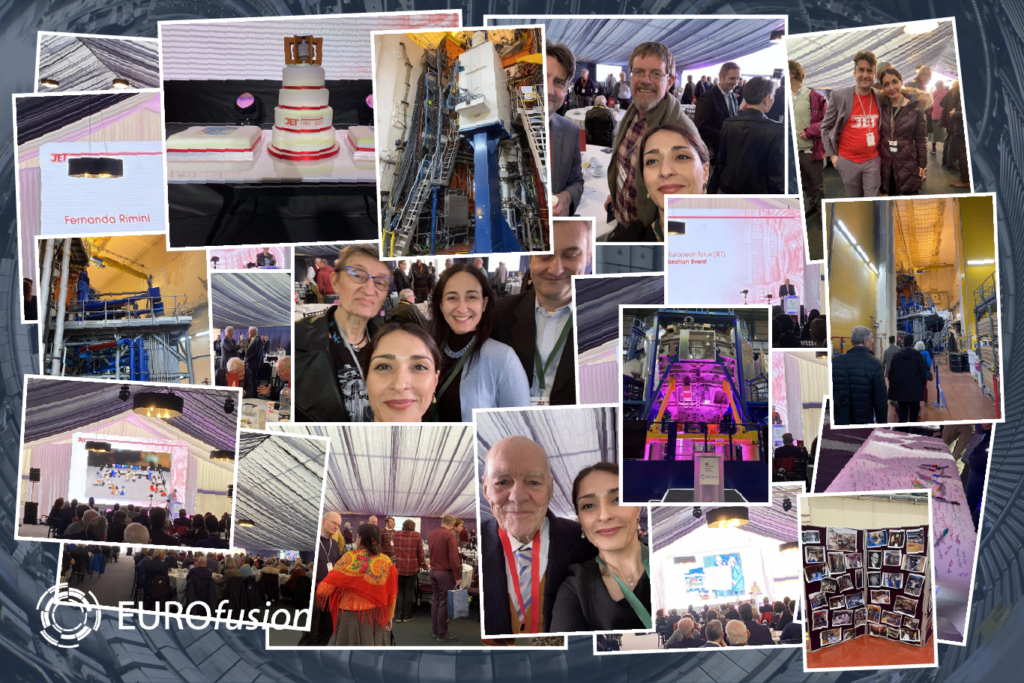
On Wednesday 28 February hundreds of fusion experts gathered from across the world in Culham, UK, to celebrate four decades of scientific operations at the Joint European Torus (JET). Joining them was fusion expert Sara Moradi, who learned how to operate a tokamak at JET and has since become deputy leader of the EUROfusion Fusion Science Department. We asked her to collect as many photos and experiences as she could and share them here.
Standing Ovation for JET Inventor
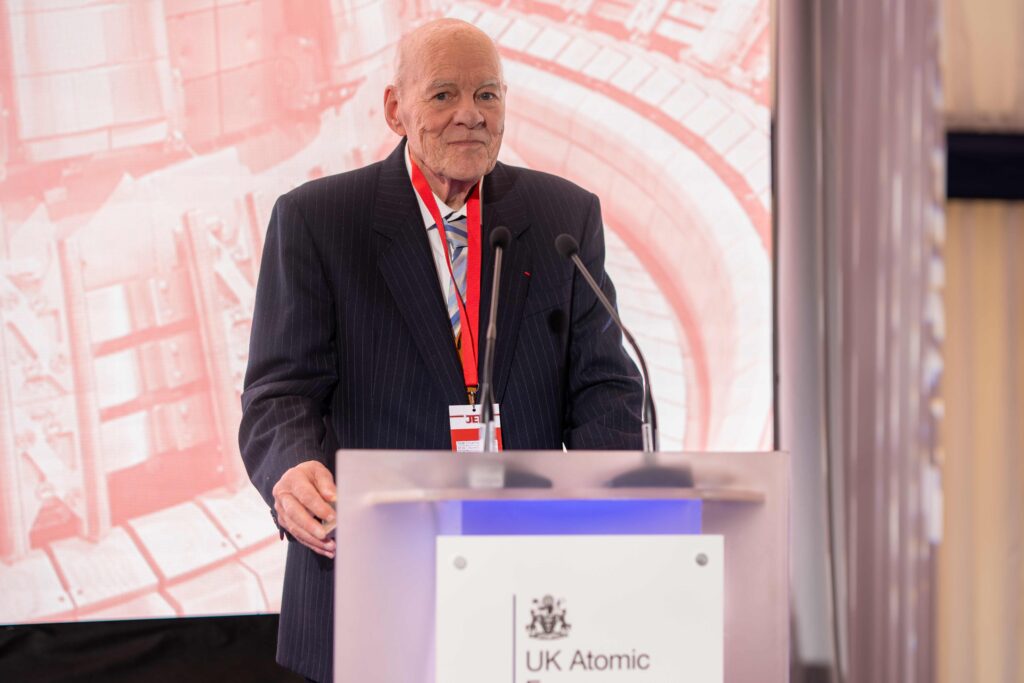
A touching moment warmed the hearts of many when the inventor of the Joint European Torus (JET) was greeted with a resounding ovation at Wednesday’s JET Celebration Day event at Culham Campus.
Fusion energy facility JET demonstrates use of laser-based diagnostic to monitor tritium
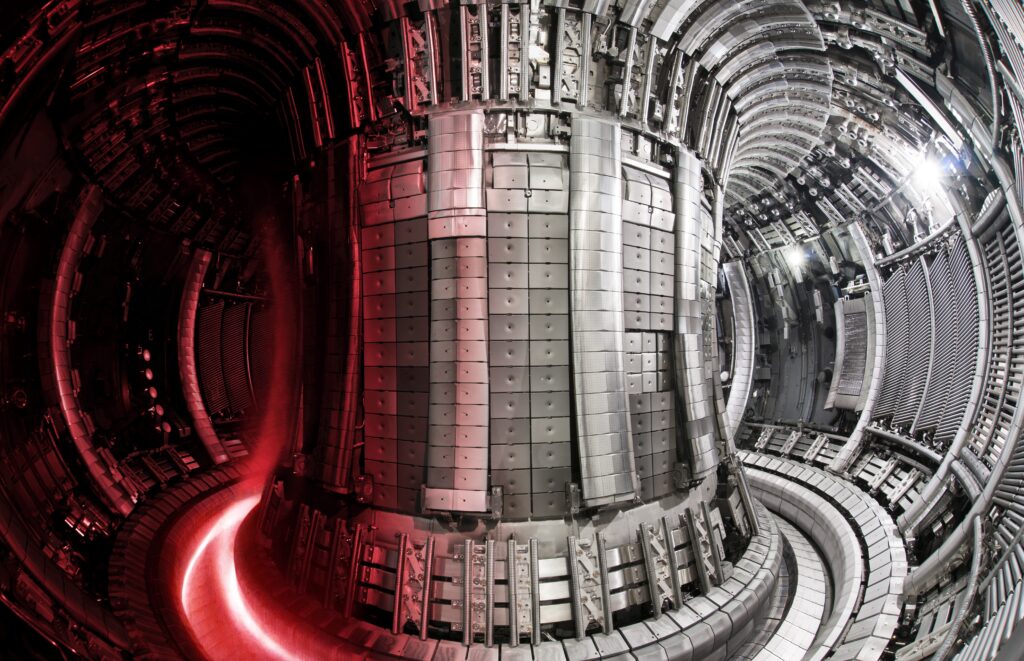
Fusion energy scientists and engineers at the Joint European Torus (JET) have developed a world leading method involving lasers to release and measure tritium trapped in fusion energy tokamaks.
Pioneering JET delivers final plasma
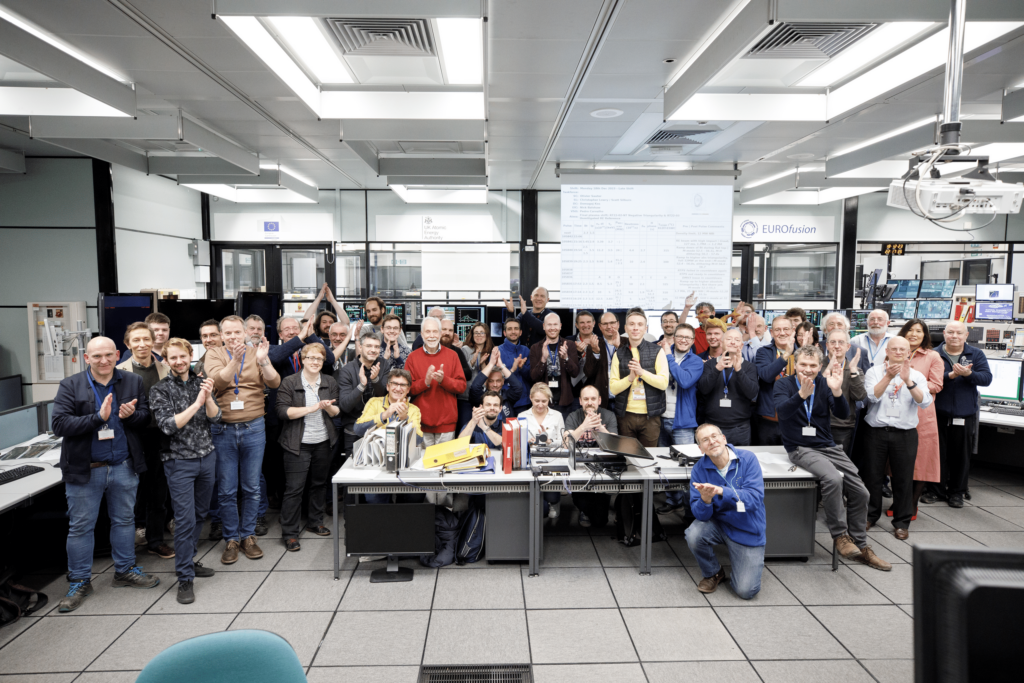
The Joint European Torus (JET) has performed its final experiments, marking the end of a 40-year era for the groundbreaking machine.
Bridge builder Tony Donné looks back on career as a fusion researcher
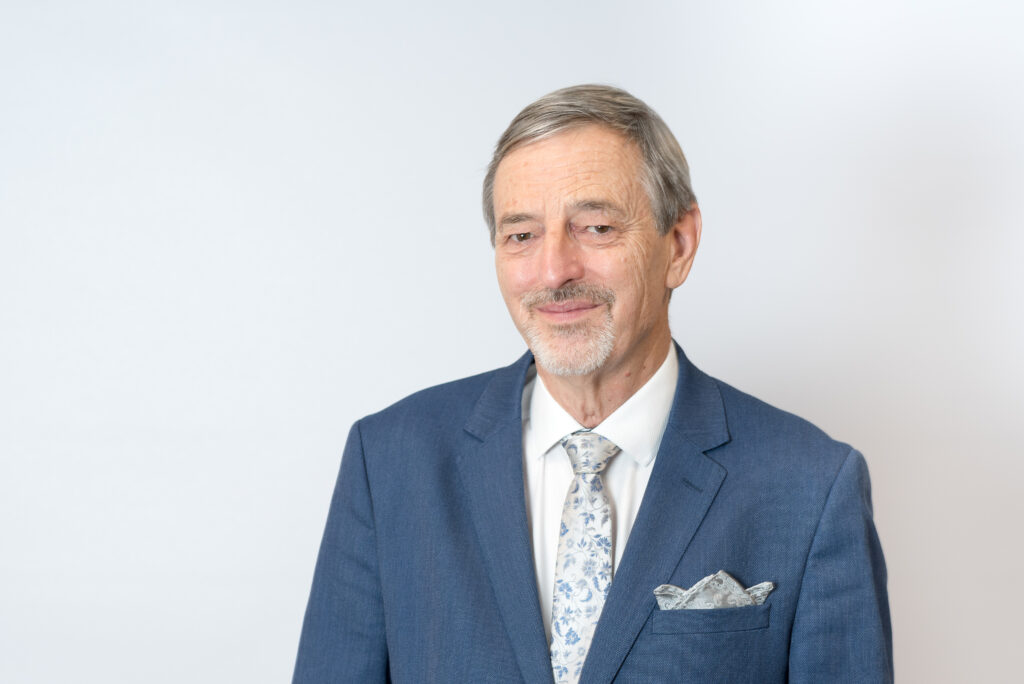
Tony Donné has devoted his entire working life to fusion research. First in scientific roles in the Netherlands, and for the past nine years as head of the European research consortium EUROfusion. In December, Tony will take his leave and retire. We look back on his impressive career.
Sixteen EUROfusion Engineering Grants awarded to outstanding early-career engineers

The EUROfusion Engineering Grants (EEGs) aim to attract top early-career engineering talent to work on key technological challenges and develop skills that are essential to the European fusion programme.
First observation of how fusion keeps itself hot boosts confidence in ITER and future fusion power plants
Researchers from the EUROfusion consortium announced scientific results from their record-breaking experimental campaign at the Joint European Torus (JET) fusion facility in 2021. These results, announced at the 29th IAEA Fusion Energy Conference in London, include the first direct observations of alpha heating, the process by which the fusion reaction can keep its fuel hot. Other important results include control techniques to protect the walls of fusion machines, heating techniques, and ways to recover fusion fuel absorbed in the walls of the machine. The work will prove crucial to operate future fusion experimental machines such as ITER and demonstrates the potential of fusion as a future energy source, say the researchers.
Ten talented scientists receive the EUROfusion Bernard Bigot Researcher grants
The EUROfusion consortium for the realisation of fusion energy has awarded ten EUROfusion “Bernard Bigot” Researcher Grants (ERG) to talented post-doctoral researchers across Europe. The ERG grants enable early-career researchers to develop innovative ideas and techniques to advance EUROfusion’s Roadmap to Fusion Energy.
Aspiring scientist visits JET
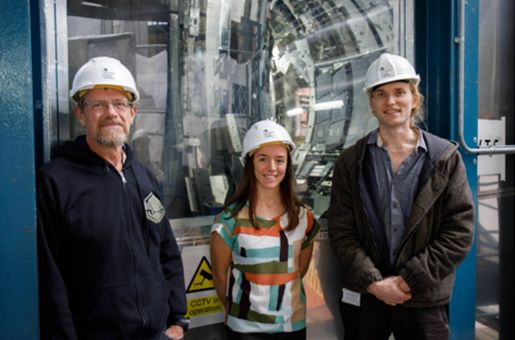
Each year, EUROfusion offers a visit to the JET facilities at UKAEA for one of the winners of the EUCYS Young Scientists Contest. Meet this year’s winner, physics student Patricia González Piquero at the Complutense University of Madrid as she travels to Culham to see the sights!